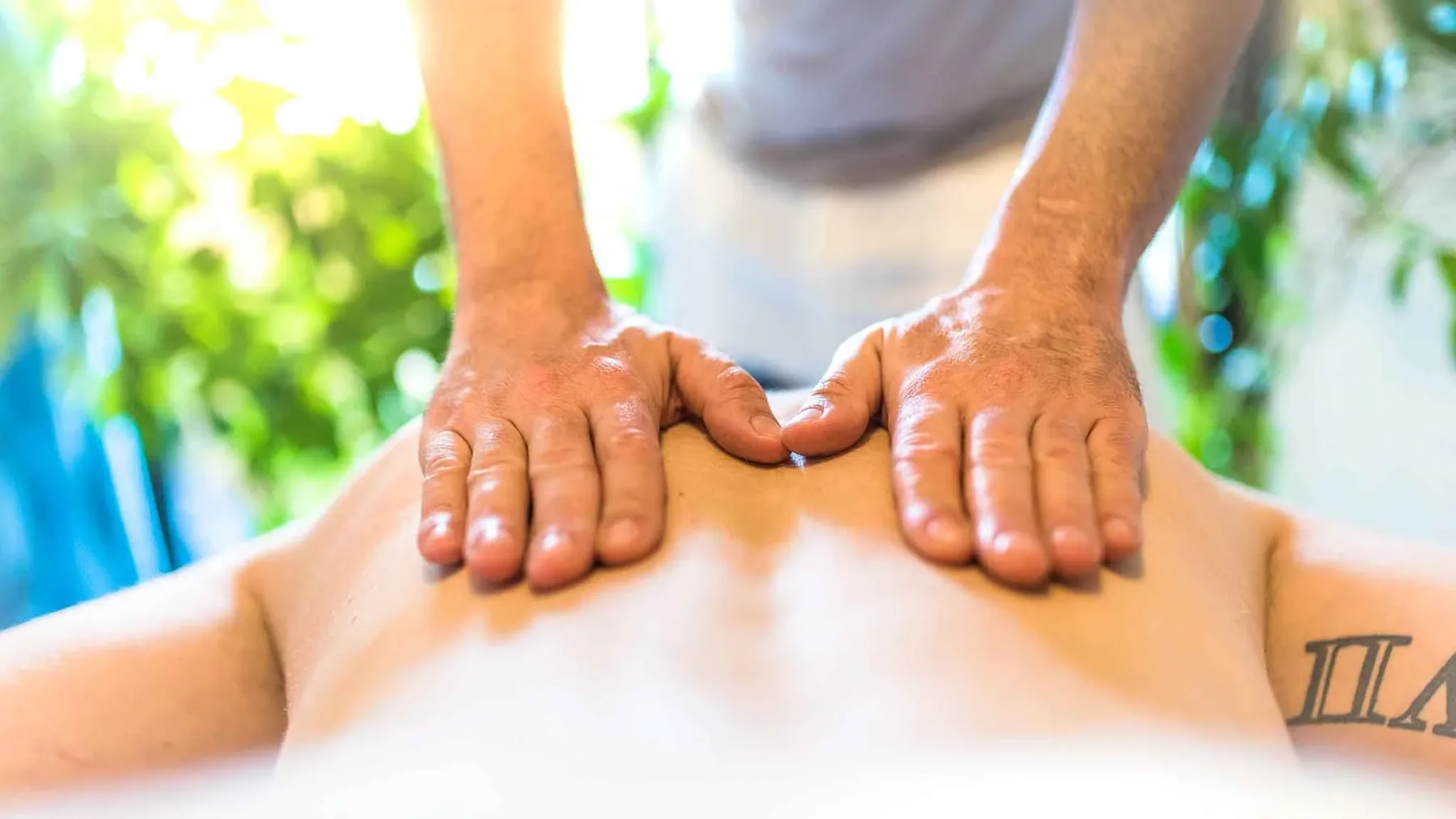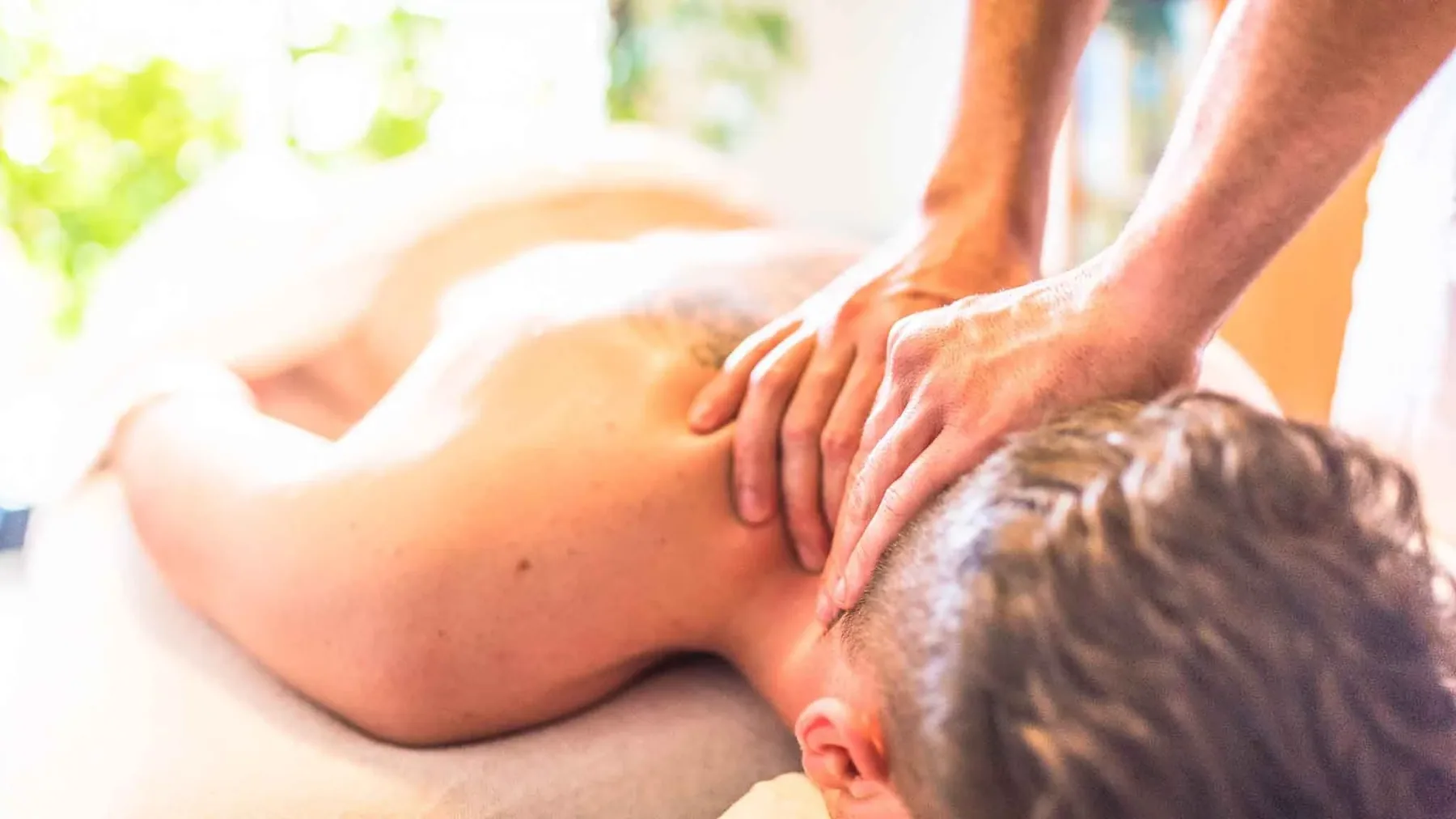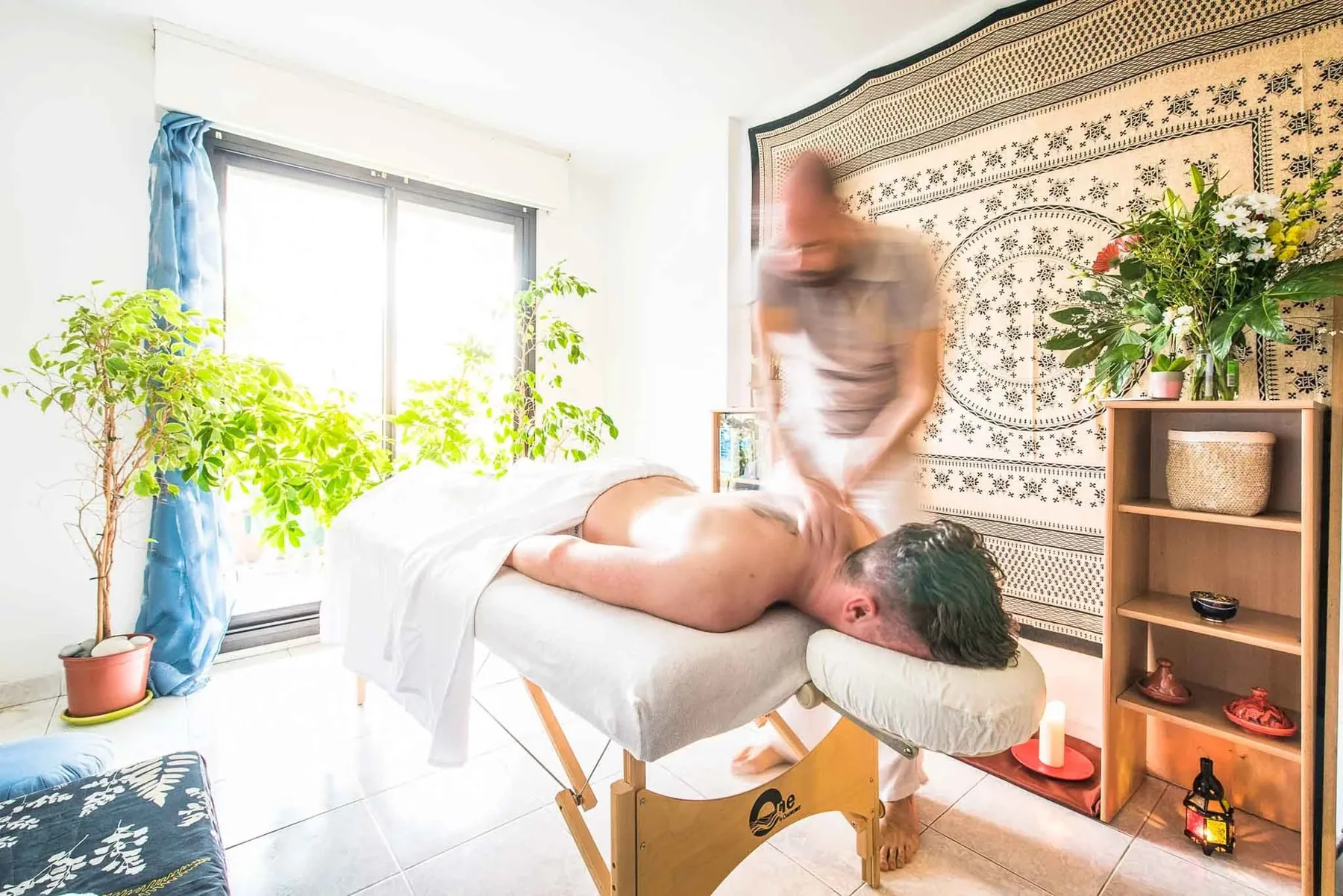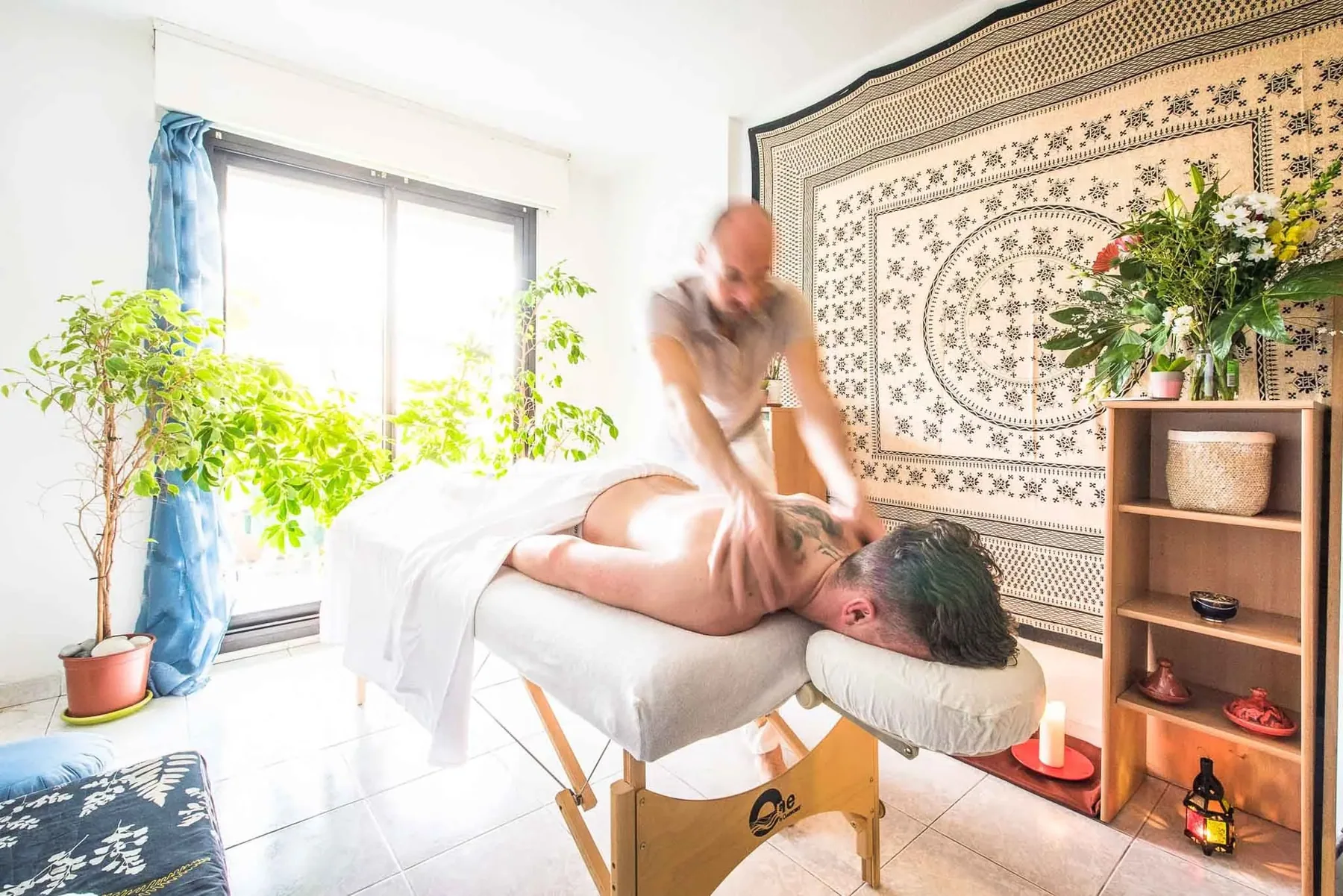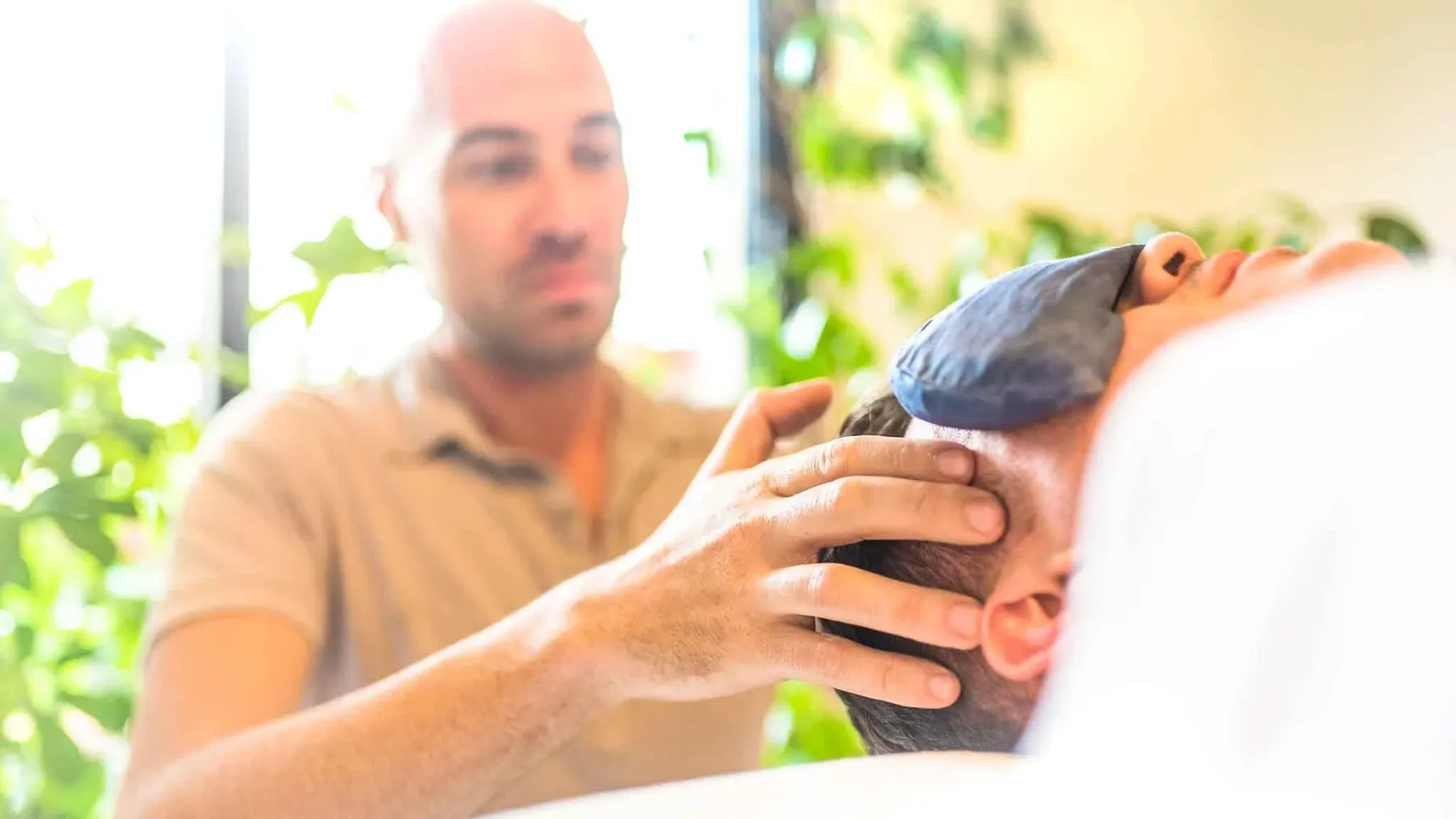


Muscle Recovery Massage therapy in Nice
Serious athletes understand that recovery determines progress as much as training itself. As a massage therapist specializing in muscle recovery, I've worked with everyone from Olympic competitors to dedicated fitness enthusiasts who recognize that proper recovery makes the difference between advancing and plateauing.
Muscle recovery massage isn't about relaxation—it's about systematically addressing the muscular fatigue and tension that intense training creates. After 15 years working with athletes in Nice, I've developed an approach that accelerates recovery and helps you maintain consistent training intensity.
For detailed information about my background and sport massage expertise.
Why Muscle Recovery Massage Matters for Athletes
Training creates muscular tension and fatigue. That's normal—it's how your body adapts and gets stronger. But accumulated tension without proper recovery leads to decreased performance, increased stiffness, and longer recovery times between sessions.
A qualified massage therapist who understands athletic demands knows how to work with fatigued muscles. The techniques differ significantly from general massage—the pressure, timing, and focus areas all require specific knowledge about how trained bodies respond.
Athletes who integrate regular muscle recovery massage maintain higher training volumes, experience less stiffness, and perform better consistently. This isn't theory—it's what I've observed over 15 years with hundreds of athletes.
How Massage Accelerates Muscle Recovery
Releases Accumulated Tension
Intense training creates muscular tension that doesn't fully release on its own, especially in frequently used muscle groups. This accumulated tension restricts movement, creates stiffness, and limits your ability to train at full intensity.
Targeted massage work releases this tension, restoring normal muscle length and function. You feel the difference immediately—better range of motion, reduced stiffness, smoother movement patterns.
Improves Circulation
Fatigued muscles benefit from improved circulation. Massage techniques increase blood flow to worked muscles, supporting the natural recovery process your body already performs.
Better circulation means waste products clear faster and nutrients reach tissues more efficiently. This accelerates the timeline between hard training sessions.
Addresses Muscular Imbalances
Regular training often creates imbalances—some muscles work harder than others, some tighten more, some fatigue faster. A massage therapist experienced with athletes identifies these patterns and addresses them before they become problematic.
This preventive approach keeps you training consistently rather than dealing with setbacks from muscular imbalances that developed gradually.
Reduces Delayed Onset Muscle Stiffness
The stiffness you feel 24-48 hours after intense training responds well to proper massage. While some stiffness is normal and even indicates effective training, excessive stiffness limits your next session's quality.
Strategic massage work reduces this stiffness without interfering with your body's adaptation process. You recover faster while still getting training benefits.
My Approach to Muscle Recovery as a Massage Therapist
My muscle recovery work follows a concentrated, systematic approach developed over 15 years with serious athletes.
Assessment First
Before touching you, I ask about your recent training—what you did, how you felt, which muscles feel most fatigued. This information guides where I concentrate my work.
Athletes training for Ironman Nice need different focus than CrossFit enthusiasts or trail runners preparing for the Mercantour. The assessment ensures relevant, targeted work.
Concentrated Technique
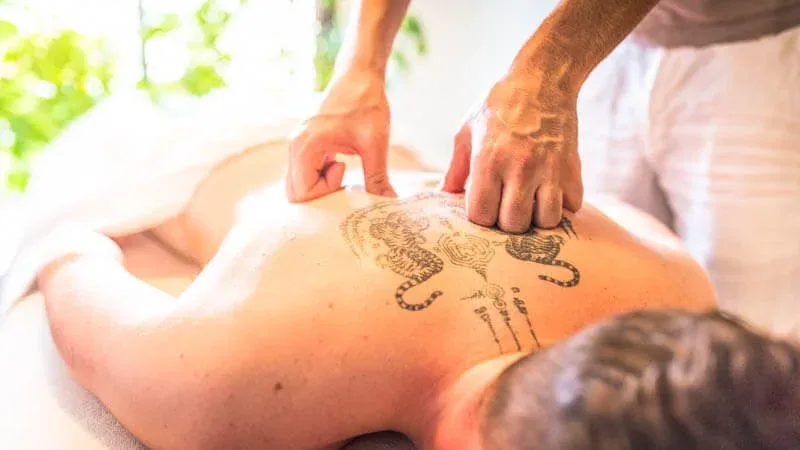
I don't waste time with general massage when you need specific recovery work. My approach concentrates on the muscles that worked hardest, the areas holding most tension, the patterns that need addressing.
This concentrated technique—what I call focused work on problem areas—delivers better results than spreading effort across your entire body superficially.
Deep Tissue When Appropriate
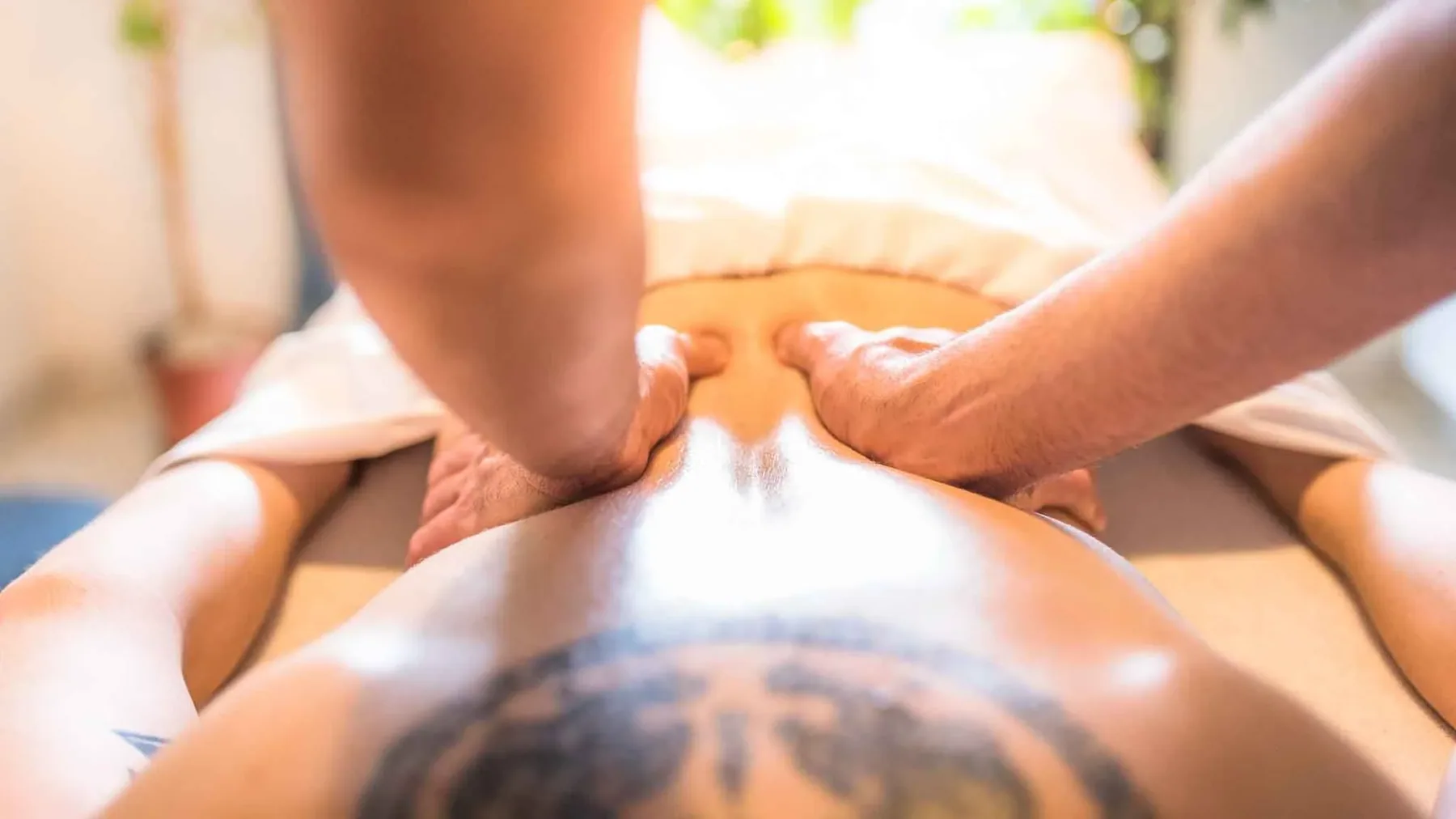
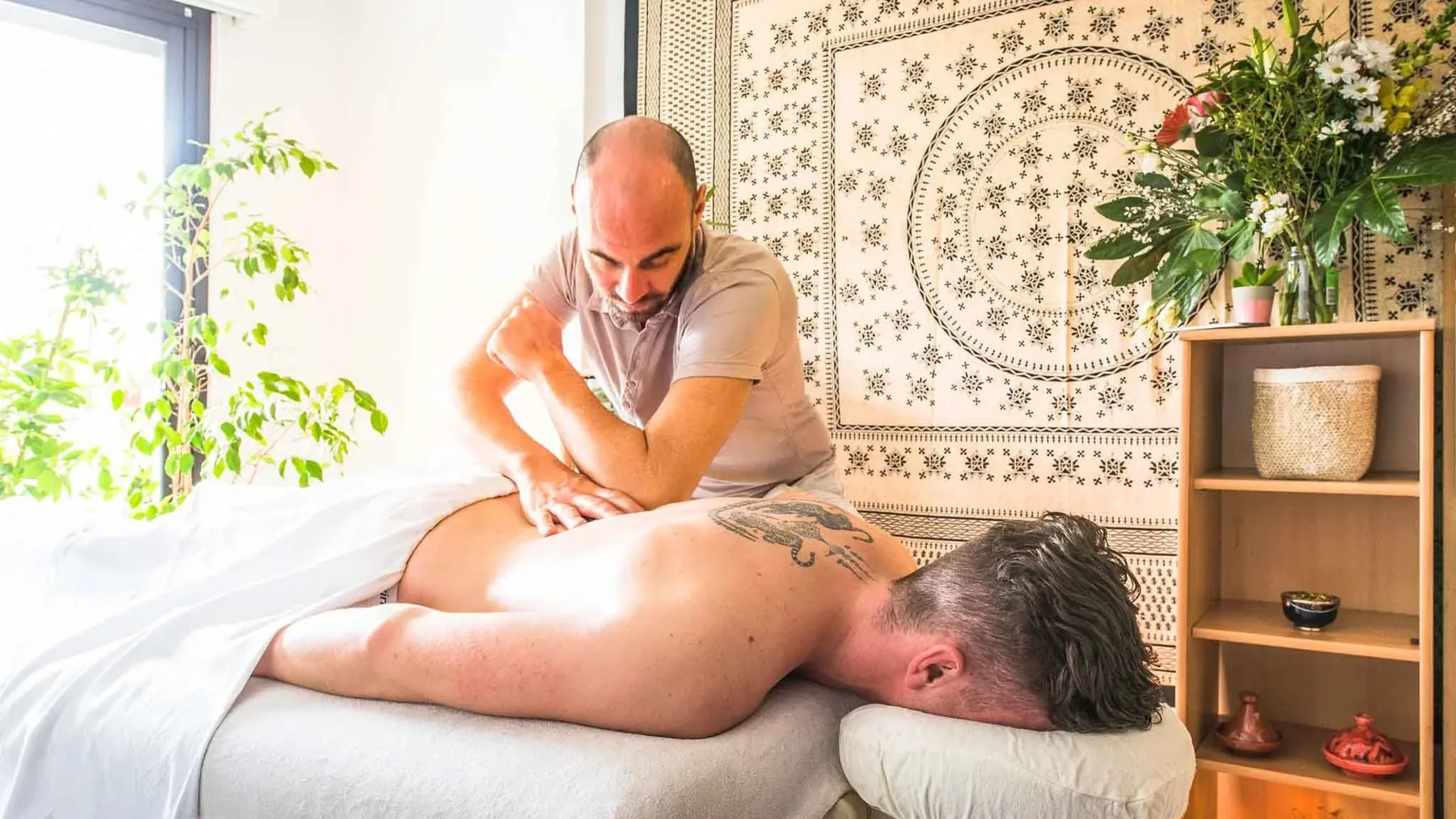
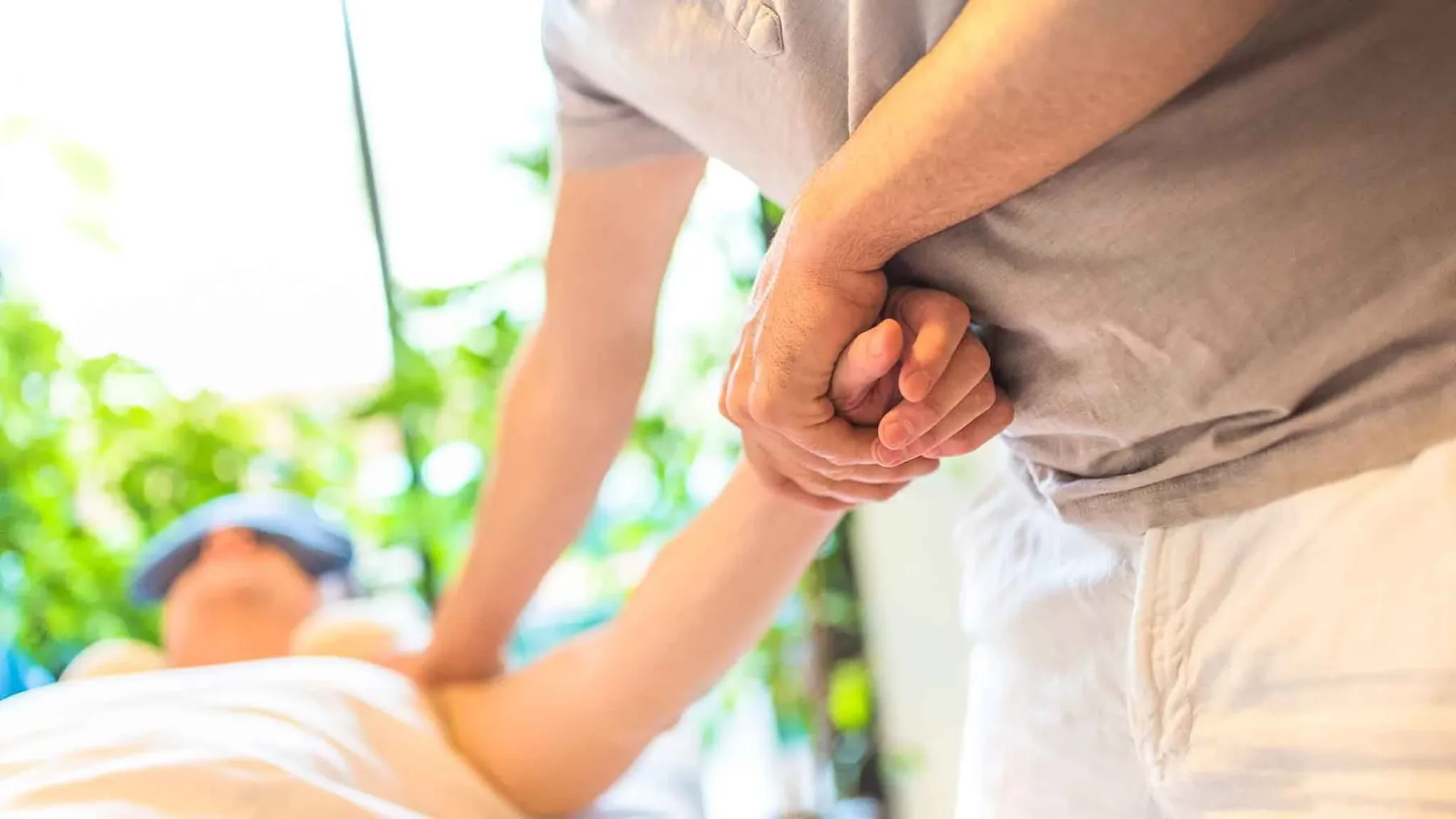
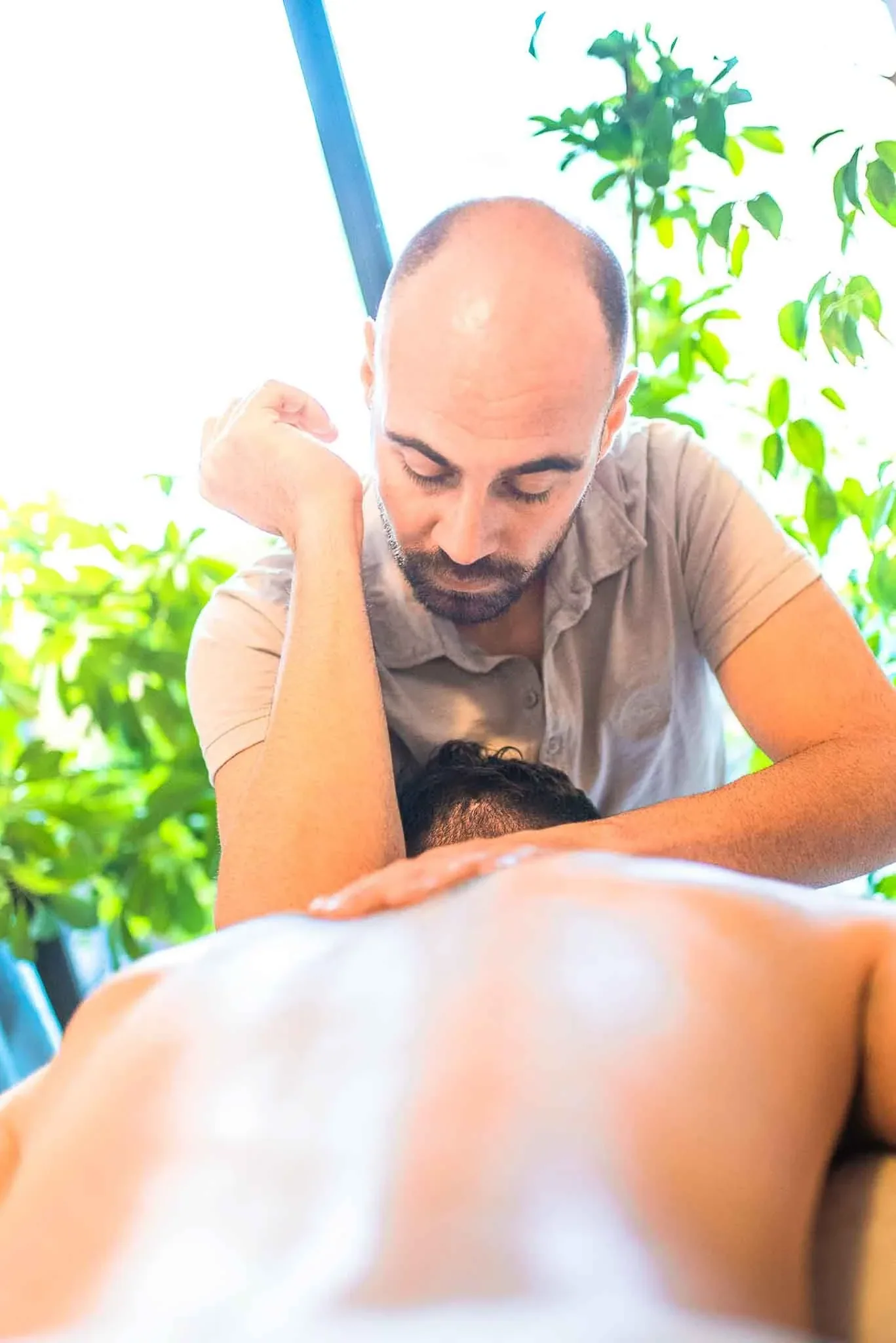
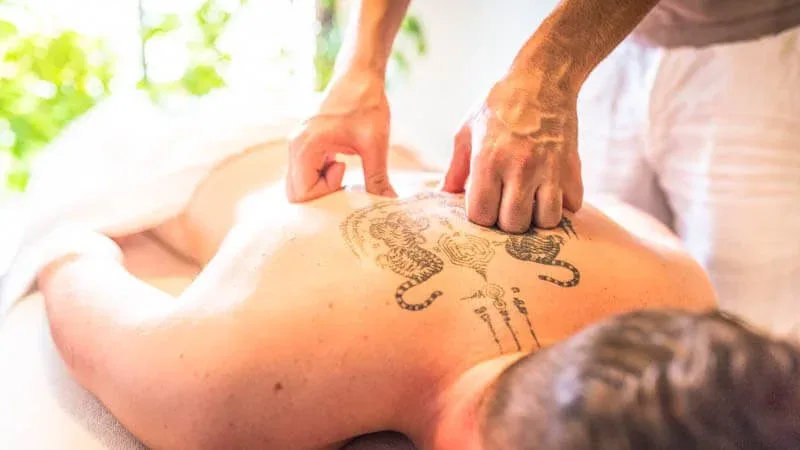
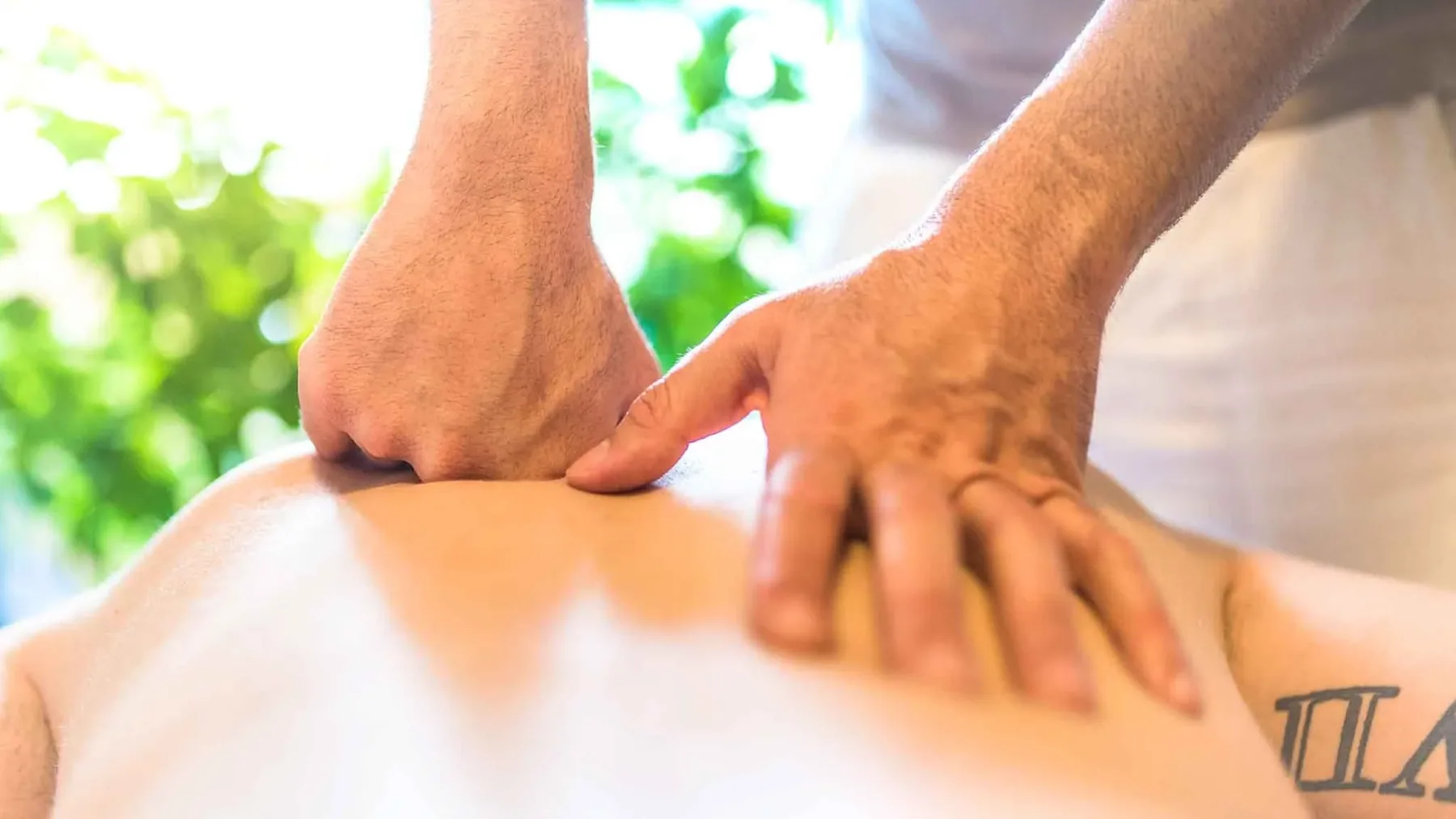
Fatigued muscles often need deep work to release fully. I use my elbows and forearms for sustained pressure that reaches deeper muscle layers, releasing tension that surface work can't address.
This isn't about causing discomfort—it's about applying appropriate pressure to achieve actual release.
Integration with Training Schedule
Muscle recovery massage works best when timed properly with your training. I help athletes understand when to schedule sessions for maximum benefit—typically after hard training blocks or before important sessions where you need to feel fresh.
Who Benefits from Muscle Recovery Massage
Endurance Athletes
Runners, cyclists, and triathletes accumulate significant muscular fatigue from high training volumes. Regular muscle recovery massage helps maintain the consistency that endurance sports demand.
Strength Athletes
CrossFit athletes, weightlifters, and functional fitness enthusiasts create intense muscular tension from heavy loading. Targeted recovery work keeps muscles functioning optimally.
Team Sport Athletes
Football, rugby, basketball players benefit from recovery work between matches and training sessions. The combination of running, jumping, and contact creates specific tension patterns.
Active Individuals
You don't need to be a professional athlete to benefit. Anyone training consistently—whether for fitness, health, or personal goals—experiences muscular fatigue that responds to proper recovery massage.
Recovery Timing: When to Schedule Sessions
After Hard Training Blocks
Schedule sessions after your hardest training weeks. This helps clear accumulated fatigue before starting the next training cycle.
Between Competitions
For athletes competing regularly, recovery massage between events helps you show up fresh rather than carrying fatigue from previous efforts.
During Taper Periods
Before important competitions or events, strategic massage during your taper helps you arrive feeling fresh, loose, and ready to perform.
Regular Maintenance
Many serious athletes schedule weekly or bi-weekly sessions as regular maintenance, preventing fatigue accumulation rather than only addressing it after it builds up.
Book Your Muscle Recovery Session
I handle all bookings through WhatsApp at 06.82.42.58.05. Message me your training schedule and recovery needs, and I'll help you time sessions appropriately.
Located conveniently in Nice near the port, my practice is easily accessible whether you train at local clubs, in the hills, or along the coast.
Optimize your recovery. Train harder, more consistently, with better results.